UF Water Purifier Price in Kenya (2026): How Ultrafiltration Works, UF vs RO and Which to Buy

Ultrafiltration (UF) pushes water through hollow fibres with tiny pores that trap mud, rust, bacteria and most viruses. It needs no electricity for the filtration itself and wastes no water, which makes it a good match for clean but untrusted county (municipal) water and for refilling businesses that start from treated water.
Quick answer: On Buy More Mall a 5-stage under-counter UF system for a home costs about KSh 17,000. 3-in-1 municipal UF refilling machines for water businesses cost about KSh 240,000 (250 L/hr), KSh 280,000 (500 L/hr) and KSh 320,000 (1,000 L/hr). Choose UF when your water is fresh (low salt) but may carry germs and dirt; choose RO when it is salty or hard, as with most borehole water.
UF Water Purifier Prices (Live)
| System | Use | Price |
|---|---|---|
| UF Under Counter System (5 Stage) | Home under-counter, 5 stages | KSh 17,000 |
| H-Tech 3-in-1 Municipal UF 250L | Refilling station, about 250 L per hour | KSh 240,000 |
| H-Tech 3-in-1 Municipal UF 500L | Refilling station, about 500 L per hour | KSh 280,000 |
| H-Tech 3-in-1 Municipal UF 1000L | Refilling station, about 1,000 L per hour | KSh 320,000 |
KSh 17,000
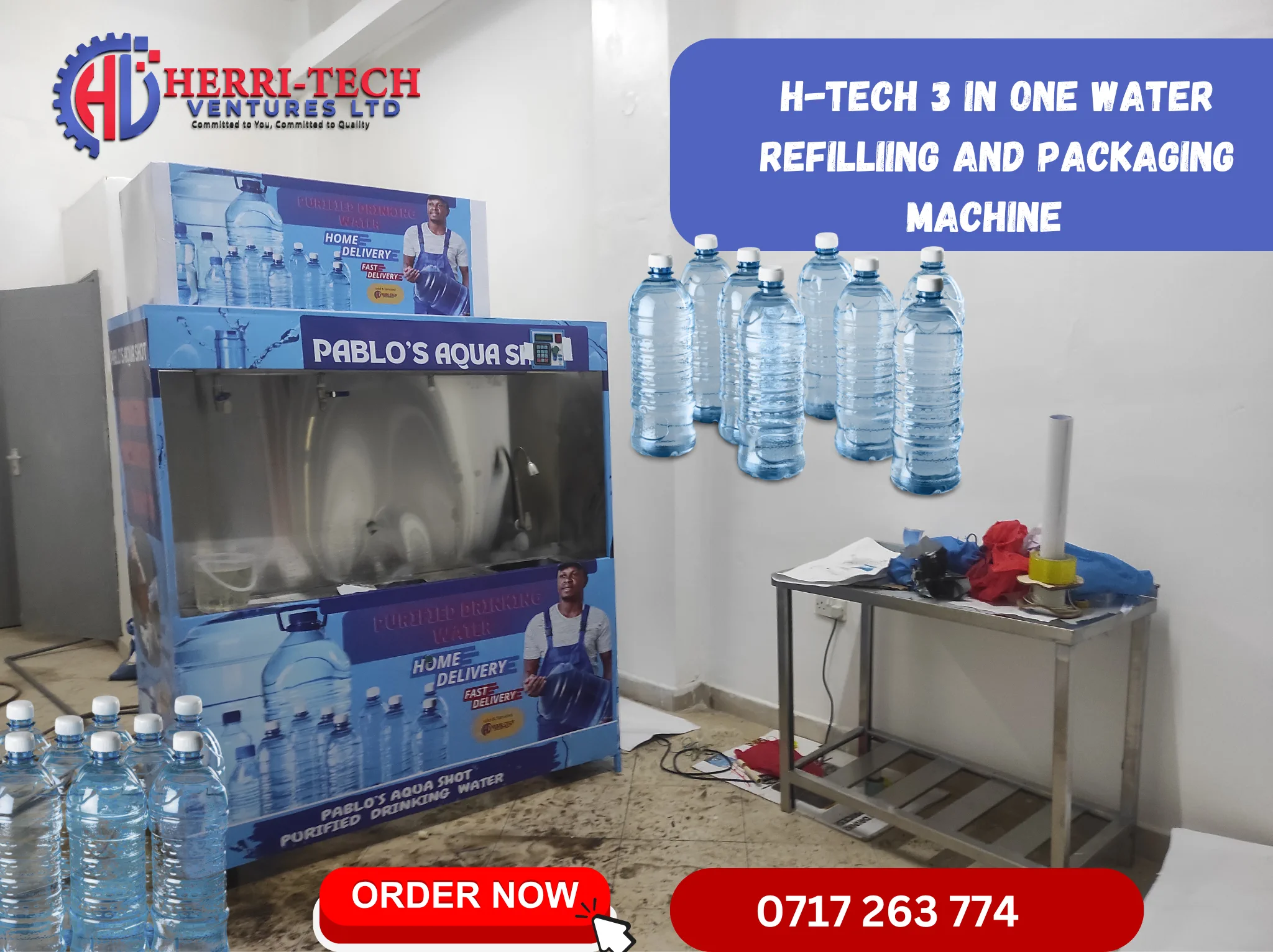
KSh 240,000
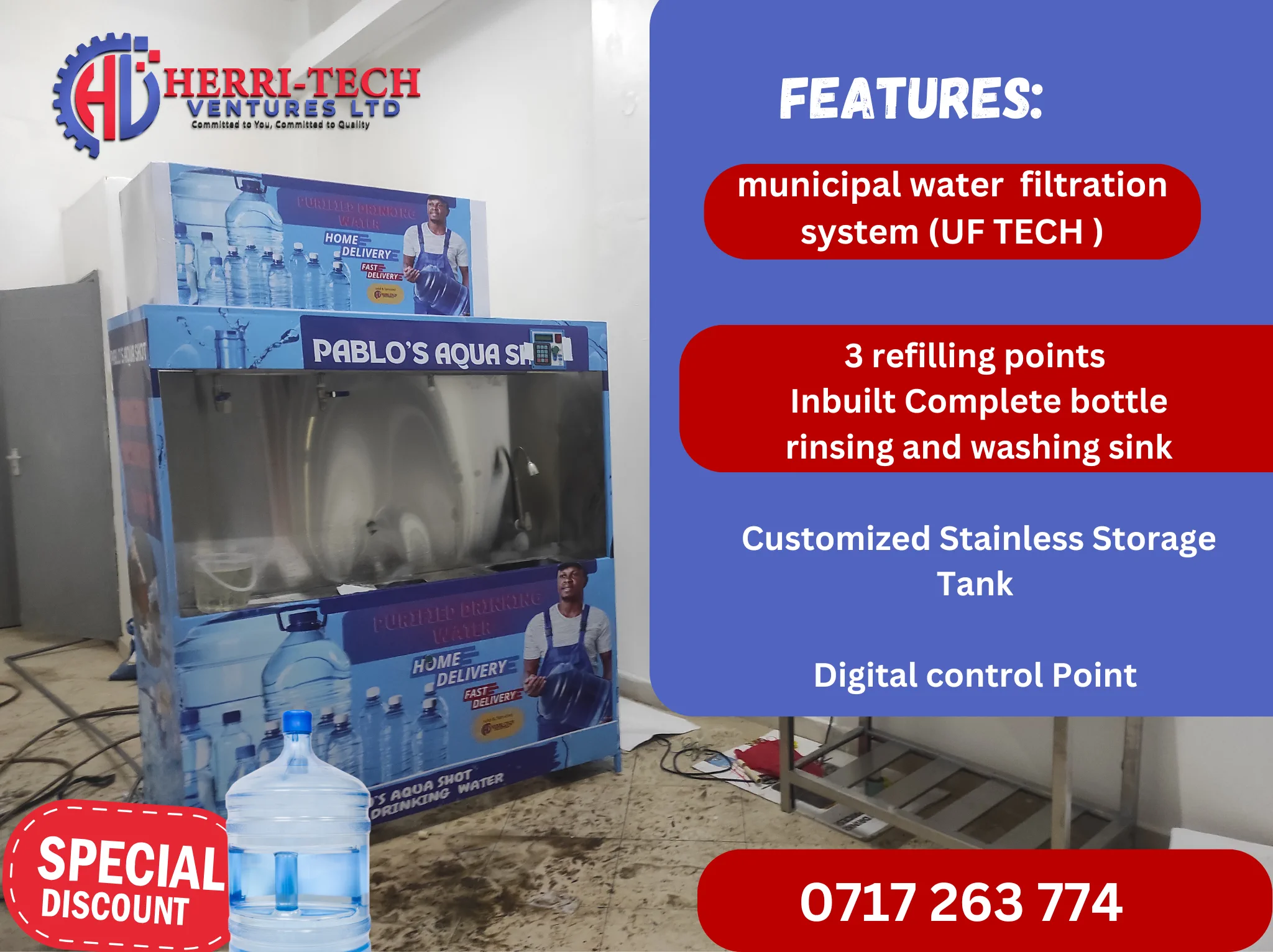
KSh 280,000
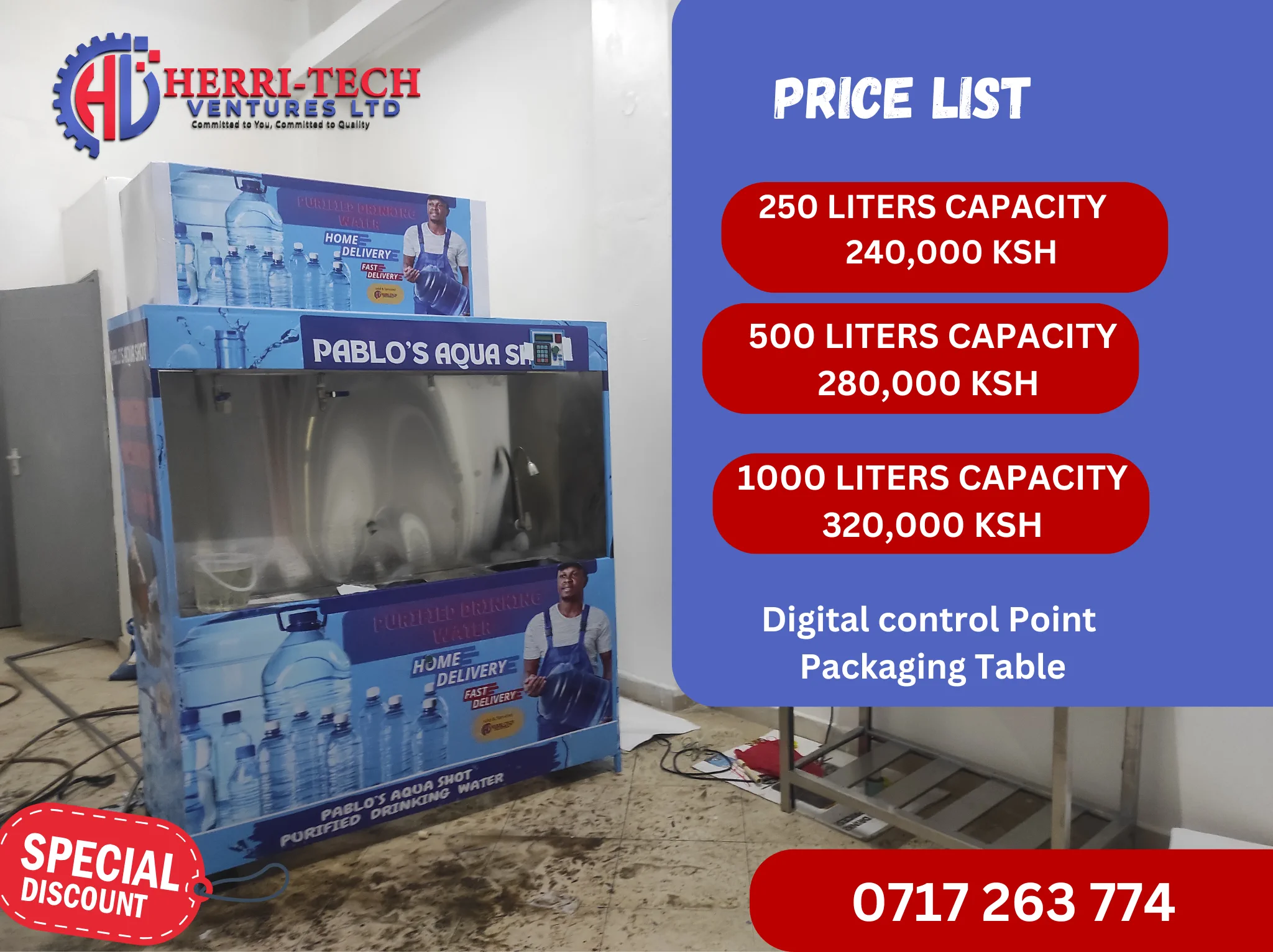
KSh 320,000
Prices shown are regular prices on Buy More Mall. Many products are currently on offer, so open the product page to see today's price.
How Does a UF Water Purifier Work?
- A sediment pre-filter catches sand and rust.
- Carbon filters remove chlorine taste and odour.
- The UF membrane (hollow fibres with pores around 0.01–0.1 micron) traps bacteria, cysts, most viruses and fine particles.
- Some systems add a final carbon or UV stage for taste and extra protection.
- Clean water comes out at mains pressure; nothing is sent to drain during normal use.
What UF Removes and Does Not Remove
| UF removes | UF does not remove |
|---|---|
| Mud, rust, turbidity | Dissolved salts (high TDS) |
| Bacteria and cysts | Fluoride |
| Most viruses and fine particles | Hardness (calcium, magnesium) |
| Chlorine taste (with carbon stages) | Most dissolved chemicals |
UF vs RO: Which Do You Need?
| UF | RO | |
|---|---|---|
| Best water source | County / treated water, rainwater | Borehole, salty or hard water |
| Removes dissolved salts | No | Yes |
| Electricity | Not needed for filtering | Pump usually needed |
| Waste water | None in normal use | Yes, a reject stream |
| Keeps minerals | Yes | Mostly removed |
Not sure what is in your water? Test the TDS first. More detail: RO vs UF vs water softener and RO water purifier prices.
Disadvantages of UF
- Does not lower salt, fluoride or hardness, so it cannot fix borehole water on its own.
- Membranes clog with very dirty water if pre-filters are not changed.
- Needs periodic flushing to keep flow steady.
Maintenance
- Change sediment and carbon pre-filters on the maker’s schedule (often every 3–6 months).
- Flush the UF membrane as instructed; commercial units have a flush valve.
- Replace the membrane when flow stays low after flushing.
- For refilling businesses, keep a cleaning and test log.
Frequently Asked Questions
How much is a UF water purifier in Kenya?
On Buy More Mall a home under-counter UF system costs about KSh 17,000; municipal UF refilling machines start from about KSh 240,000.
What does a UF filter do in a water purifier?
It traps particles, bacteria, cysts and most viruses in hollow-fibre membranes, without electricity or waste water.
Is UF required in a water purifier?
UF is useful where the water is fresh but may carry germs. For salty borehole water you need RO instead.
Is UF better than RO?
Neither is better for everything: UF suits low-salt county water and keeps minerals; RO is needed for salty or hard water.
Does UF need electricity?
Filtering does not, but systems with pumps or UV lamps do.
Not sure which one fits? Send us your details on WhatsApp or through the product page and we will help you choose.
Related Guides
Recent Posts

How to Sign a Document Online in Kenya (2026): Free E-Signature, PDF on Phone or Laptop, and Is It Legal?
How to Start a Parcel Pickup Point Business in Kenya (2026): Requirements, Earnings per Parcel and How to Apply

How to Pay With PayPal in Kenya (2026): Does PayPal Work, Linking a Card, M-Pesa Top-up and Paying Online
How to Accept Card Payments in Kenya (2026): Card Machines, Online Card Checkout and PayPal for Small Businesses
Purchase Order (LPO) Format in Kenya (2026): Sample, What to Include and How to Raise One
Delivery Note Format in Kenya (2026): Sample, Template, What to Include and Proof of Delivery
Credit Note vs Debit Note in Kenya (2026): Meaning, Examples, When to Issue Each and eTIMS
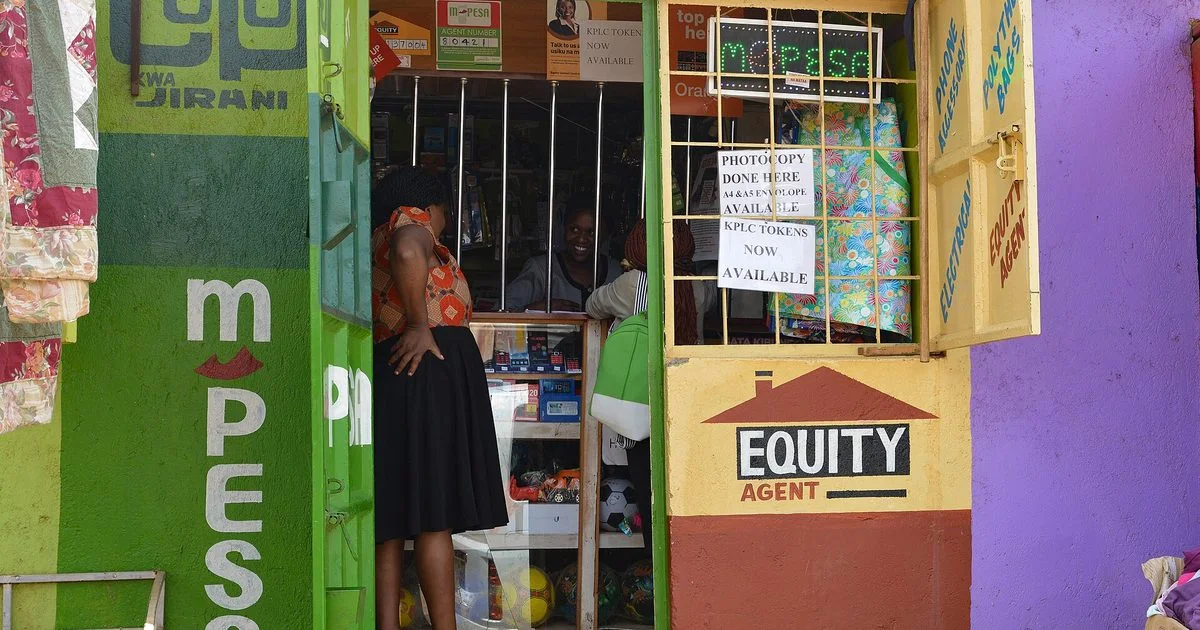
How to Get an M-Pesa Statement for Business and Reconcile It With Your Sales (2026 Guide)
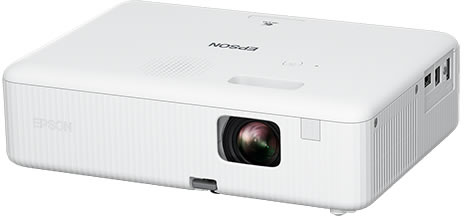
Projector Price in Kenya (2026): Home, Office and School Projectors, Lumens, Screen Size and How to Connect
 buymoremall
Kenya's Online Marketplace
Buy More Mall Kenya gives you a direct link to manufacturers, suppliers and service providers. Sellers are verified, there are no shortcuts, and customised orders come at affordable rates.
- Buy direct from manufacturers & suppliers
- Verified sellers and service providers
- Pay securely with M-Pesa
Shop
Sell & Earn
Help
Contact Us
- 0717 263 774
- Chat on WhatsApp
- buymoremallkenya@gmail.com
- Eastern bypass Ruiru Near Naivas super market @ kamakis & Nanyuki Neema Academy
- Contact page